
Contraception Guide 2024: Every Birth Control Option Compared
A comprehensive, evidence-based guide to contraception guide 2024: every birth control option compared. Written by sexuality experts and grounded in peer-reviewed research.
SexualityExpert.com Editorial Team — general educational content for adult readers.
This article is general educational information only. It is not medical advice, not a diagnosis, and is not written by a doctor. This site is not a doctor and does not provide medical care. Nothing here is medical advice. Full disclaimer.
Introduction
Contraception Guide 2024: Every Birth Control Option Compared is a topic that affects millions of people, yet it remains widely misunderstood. This evidence-based guide draws on the latest peer-reviewed research to give you clear, accurate, and judgment-free information.
What the Research Says
This guide is designed to fill that gap.
Key Facts
Questions about Contraception Guide 2024 benefit from distinguishing broad assumptions from article-specific, source-linked context:
A Deeper Look
The psychology and physiology behind contraception guide 2024: every birth control option compared involves multiple interconnected systems — hormonal, neurological, psychological, and social. No single factor explains the full picture.
What Experts Recommend
Leading sex therapists and researchers recommend:
Understanding Contraceptive Methods
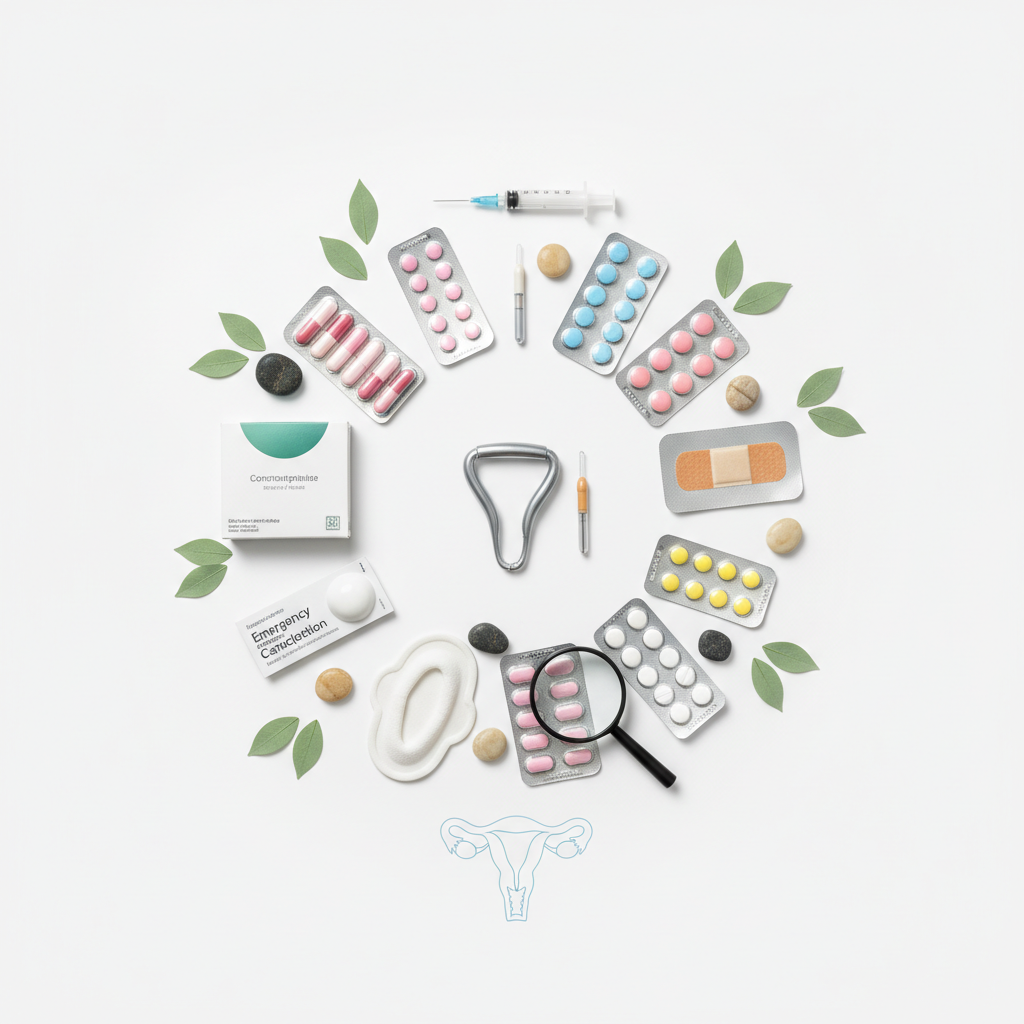
Choosing the right contraceptive method is a highly personal decision, influenced by individual health, lifestyle, relationship status, and future family planning goals. There is no one-size-fits-all solution, and what works for one person may not be suitable for another. Understanding the various categories and their mechanisms of action is crucial for making an informed choice.
Contraceptive methods can broadly be categorized into hormonal, barrier, long-acting reversible contraceptives (LARCs), permanent, and natural methods. Each category has distinct advantages, disadvantages, and efficacy rates.
Hormonal Contraceptives
Hormonal methods primarily work by preventing ovulation, thickening cervical mucus to block sperm, and/or thinning the uterine lining to prevent implantation. They are highly effective when used correctly.
- Oral Contraceptives (Birth Control Pills): These are daily pills containing synthetic estrogen and progestin (combined pills) or progestin only (mini-pills). Combined pills prevent ovulation, while mini-pills primarily thicken cervical mucus.
- Effectiveness: Approximately 91% effective with typical use, over 99% with perfect use.
- Pros: Highly effective, can regulate periods, reduce menstrual cramps, and improve acne. Some formulations may reduce the risk of certain cancers.
- Cons: Requires daily adherence, no protection against STIs, potential side effects like mood changes, weight fluctuations, or headaches.
- Example: A person with irregular, heavy periods might find combined oral contraceptives beneficial for both contraception and menstrual regulation.
- Contraceptive Patch (Xulane, Twirla): A thin, adhesive patch worn on the skin, releasing estrogen and progestin. Replaced weekly for three weeks, followed by a patch-free week.
- Effectiveness: Similar to oral contraceptives, about 91% with typical use.
- Pros: Convenient, less frequent administration than pills.
- Cons: Visible, may cause skin irritation, no STI protection, potential for similar side effects as pills.
- Vaginal Ring (NuvaRing, Annovera): A flexible ring inserted into the vagina, releasing estrogen and progestin. NuvaRing is typically kept in for three weeks and removed for one; Annovera is reusable for a year.
- Effectiveness: Similar to oral contraceptives, about 91% with typical use.
- Pros: Discreet, less frequent administration, may have fewer systemic side effects for some.
- Cons: Requires comfort with vaginal insertion, no STI protection, potential side effects.
- Contraceptive Injection (Depo-Provera): An intramuscular injection of progestin given every three months.
- Effectiveness: Over 94% effective with typical use, over 99% with perfect use.
- Pros: Highly effective, convenient (four times a year), may reduce menstrual bleeding or stop periods entirely.
- Cons: Can cause temporary bone density loss (reversible), irregular bleeding, weight gain, and a delay in return to fertility after discontinuation. No STI protection.
- Contraceptive Implant (Nexplanon): A small, flexible rod inserted under the skin of the upper arm, releasing progestin. Lasts for up to three years.
- Effectiveness: Over 99% effective. One of the most effective methods.
- Pros: Highly effective, long-lasting, discreet, reversible, may reduce menstrual bleeding.
- Cons: Requires minor surgical procedure for insertion and removal, irregular bleeding is common, no STI protection.
- Research highlight: A study published in Obstetrics & Gynecology found that contraceptive implants have some of the highest continuation rates due to their effectiveness and ease of use.
Long-Acting Reversible Contraceptives (LARCs)
LARCs are highly effective, long-lasting, and reversible methods that do not require daily attention. They are often recommended as first-line options for many individuals.
- Intrauterine Devices (IUDs): Small, T-shaped devices inserted into the uterus by a healthcare provider.
- Hormonal IUDs (Mirena, Kyleena, Liletta, Skyla): Release progestin, thickening cervical mucus and thinning the uterine lining. Last 3-8 years depending on the brand.
- Effectiveness: Over 99% effective.
- Pros: Highly effective, long-lasting, reversible, may reduce menstrual bleeding and cramps.
- Cons: Requires insertion and removal by a provider, potential for discomfort during insertion, irregular bleeding initially, no STI protection.
- Copper IUD (Paragard): Non-hormonal, releases copper ions that are toxic to sperm and eggs, preventing fertilization. Lasts up to 10-12 years.
- Effectiveness: Over 99% effective.
- Pros: Highly effective, long-lasting, non-hormonal, reversible.
- Cons: Requires insertion and removal by a provider, may increase menstrual bleeding and cramps, no STI protection.
- Example: A person seeking a non-hormonal, long-term solution might choose a copper IUD, especially if they experience adverse effects from hormonal methods.
- Hormonal IUDs (Mirena, Kyleena, Liletta, Skyla): Release progestin, thickening cervical mucus and thinning the uterine lining. Last 3-8 years depending on the brand.
Barrier Methods
Barrier methods physically block sperm from reaching the egg. They are generally less effective than hormonal methods or LARCs but offer the advantage of STI protection (for condoms) and do not involve hormones.
- Male Condoms: Thin sheaths worn on the penis to collect semen.
- Effectiveness: 87% effective with typical use, 98% with perfect use.
- Pros: Widely available, inexpensive, offers protection against STIs, no hormonal side effects.
- Cons: Requires consistent and correct use, can break or slip, single-use.
- Female Condoms: Pouches inserted into the vagina before intercourse.
- Effectiveness: 79% effective with typical use, 95% with perfect use.
- Pros: Offers some STI protection, can be inserted hours before intercourse, non-hormonal.
- Cons: Can be noisy, requires practice to insert correctly, less effective than male condoms.
- Diaphragm/Cervical Cap: Dome-shaped devices inserted into the vagina before intercourse, covering the cervix. Used with spermicide.
- Effectiveness: 83% effective with typical use (diaphragm), 71-86% (cervical cap).
- Pros: Non-hormonal, reusable.
- Cons: Requires fitting by a healthcare provider, must be inserted before intercourse and left in for several hours after, no STI protection.
- Spermicide: Chemical substance that inactivates sperm. Used alone or with barrier methods.
- Effectiveness: 79% effective when used alone.
- Pros: Over-the-counter, non-hormonal.
- Cons: Less effective when used alone, can cause irritation, no STI protection.
Permanent Methods
These methods are intended for individuals who are certain they do not want to have children in the future.
- Tubal Ligation (for individuals with ovaries): Surgical procedure that blocks or severs the fallopian tubes, preventing eggs from reaching the uterus.
- Effectiveness: Over 99% effective.
- Pros: Permanent, highly effective, no ongoing maintenance.
- Cons: Permanent (difficult to reverse), requires surgery, no STI protection.
- Vasectomy (for individuals with testes): Surgical procedure that blocks or severs the vas deferens, preventing sperm from mixing with semen.
- Effectiveness: Over 99% effective.
- Pros: Permanent, highly effective, simpler and less invasive than tubal ligation.
- Cons: Permanent (difficult to reverse), requires minor surgery, no STI protection, takes a few months to become fully effective.
Natural Methods
These methods involve tracking fertility signs to avoid intercourse during fertile windows. They require significant commitment and understanding of one's body.
- Fertility Awareness-Based Methods (FABMs): Involve tracking menstrual cycles, basal body temperature, and cervical mucus to identify fertile days.
- Effectiveness: 76-88% effective with typical use, up to 99% with perfect use for some methods.
- Pros: No hormones, no side effects, increased body awareness.
- Cons: Requires significant training and daily tracking, limits spontaneity, less effective than other methods, no STI protection.
- Research note: The effectiveness of FABMs varies widely depending on the specific method used and the diligence of the user. Studies from organizations like the American College of Obstetricians and Gynecologists (ACOG) emphasize the importance of proper instruction for these methods.
- Withdrawal (Coitus Interruptus): The penis is withdrawn from the vagina before ejaculation.
- Effectiveness: 78% effective with typical use.
- Pros: No cost, always available.
- Cons: Highly dependent on male control, pre-ejaculate can contain sperm, no STI protection, one of the least effective methods.
Choosing Your Contraceptive Method: A Personalized Approach
Selecting the right birth control method is a deeply personal decision that should be made in consultation with a healthcare provider. It involves weighing various factors beyond just effectiveness. Consider these aspects:
- Effectiveness: How important is it to prevent pregnancy? For those seeking maximum protection, LARCs and permanent methods are generally the most effective.
- Side Effects: Are you sensitive to hormones? Do you have pre-existing health conditions? Some methods may exacerbate certain conditions or cause unwanted side effects like mood changes, weight gain, or acne. For example, individuals prone to blood clots might be advised against estrogen-containing methods.
- Convenience and Adherence: How often are you willing to remember your birth control? Daily pills require consistent effort, while an IUD or implant requires virtually no daily thought. Your lifestyle, including travel or busy schedules, can impact adherence.
- Cost and Accessibility: While many methods are covered by insurance, out-of-pocket costs can vary. Accessibility to clinics for insertion/removal or prescriptions is also a factor. Resources like Planned Parenthood often offer sliding scale fees.
- STI Protection: It's crucial to remember that only barrier methods like condoms offer protection against sexually transmitted infections. If STI prevention is a concern, condoms should be used in conjunction with other contraceptive methods.
- Future Family Planning: Do you plan to have children in the future, and if so, when? Reversibility and the time it takes for fertility to return after stopping a method can be important considerations. For instance, fertility returns quickly after stopping most hormonal methods, but can be delayed for a few months after Depo-Provera.
- Impact on Menstrual Cycle: Do you want to regulate your periods, reduce heavy bleeding, or stop them altogether? Many hormonal methods can offer these benefits. Conversely, the copper IUD may increase bleeding and cramps.
Practical Advice: Before your appointment, consider making a list of your priorities and concerns. Be honest with your healthcare provider about your sexual activity, health history, and lifestyle. Don't hesitate to ask questions and discuss alternatives if a recommended method doesn't feel right for you. You can find more information on contraceptive options and even sexual health products that can support your chosen method.
Emergency Contraception: When and How to Use It
Emergency contraception (EC) is a crucial option for preventing pregnancy after unprotected sex or contraceptive failure (e.g., a broken condom, missed pills). It is not a regular birth control method but a backup. There are two main types of emergency contraception: oral pills and the copper IUD.
Oral Emergency Contraception Pills
- Levonorgestrel-based pills (e.g., Plan B One-Step, EContra One-Step): These pills work primarily by delaying or preventing ovulation. They are most effective when taken as soon as possible after unprotected sex, ideally within 72 hours (3 days), but can be effective up to 120 hours (5 days). They are available over-the-counter without a prescription or age restriction.
- Effectiveness: Reduces the risk of pregnancy by 75-89% when taken within 72 hours.
- Pros: Widely available, easy to use.
- Cons: Less effective the longer you wait, less effective for individuals with higher body mass index (BMI), does not protect against future acts of unprotected sex.
- Ulipristal acetate (Ella): This is a more effective oral EC pill, available by prescription only. It also works by delaying or preventing ovulation, but it can be effective up to 120 hours (5 days) after unprotected sex, and its effectiveness is not significantly reduced by higher BMI.
- Effectiveness: More effective than levonorgestrel, especially when taken later or by individuals with higher BMI.
- Pros: More effective than levonorgestrel, effective up to 5 days.
- Cons: Requires a prescription, does not protect against future acts of unprotected sex.
Copper IUD as Emergency Contraception
- Mechanism: When inserted within 5 days of unprotected sex, the copper IUD is the most effective form of emergency contraception. It works by creating an inflammatory reaction in the uterus that prevents fertilization and implantation.
- Effectiveness: Over 99.9% effective when inserted within 5 days.
- Pros: Most effective EC, provides ongoing contraception for up to 10-12 years once inserted.
- Cons: Requires a visit to a healthcare provider for insertion, potential for discomfort during insertion, not suitable for everyone (e.g., those with certain infections).
- Real-world scenario: A couple experiences a condom breaking during intercourse. They immediately contact their healthcare provider. The provider discusses options, and given the desire for highly effective EC and long-term contraception, the individual decides to have a copper IUD inserted. This not only prevents the current pregnancy but also provides reliable birth control for years to come.
Important Considerations for EC:
- Timing is critical: The sooner EC is taken, the more effective it is.
- Not an abortion pill: EC prevents pregnancy; it does not terminate an existing one.
- No STI protection: EC does not protect against sexually transmitted infections.
- Consult a healthcare provider: Always discuss your options with a doctor or nurse to determine the best course of action, especially if you have underlying health conditions or are considering the copper IUD.
Questions about Contraception Guide 2024
What is the most effective birth control method?
The most effective birth control methods are Long-Acting Reversible Contraceptives (LARCs), specifically the contraceptive implant and intrauterine devices (IUDs), followed by permanent methods like tubal ligation and vasectomy. These methods boast over 99% effectiveness with typical use because they remove the element of human error (e.g., forgetting a pill, incorrect condom use). For example, the Nexplanon implant has a failure rate of less than 0.05%, making it one of the most reliable options available.
Can birth control affect my mood or mental health?
Yes, some individuals may experience changes in mood or mental health while using hormonal birth control. Hormones like estrogen and progestin can influence neurotransmitters in the brain, potentially leading to symptoms such as mood swings, irritability, anxiety, or depression in susceptible individuals. Research on this topic is ongoing, with some studies suggesting a link, particularly with combined hormonal contraceptives. However, many people use hormonal birth control without experiencing significant mood changes. If you notice persistent or severe mood changes, it's crucial to discuss this with your healthcare provider, as there may be alternative methods or adjustments that can help.
Is it safe to skip my period using birth control?
Yes, for many people, it is generally safe to skip periods using certain types of hormonal birth control, such as continuous-dose birth control pills, patches, or rings, or by using an IUD that thins the uterine lining. These methods prevent the buildup of the uterine lining that typically sheds during menstruation. Medically, there is no requirement to have a monthly period while on hormonal contraception, as the bleeding experienced during the "placebo" week of pills is not a true menstrual period but rather withdrawal bleeding from the drop in hormones. Skipping periods can be beneficial for managing conditions like endometriosis, severe cramps, or heavy bleeding. Always consult your healthcare provider before intentionally skipping periods to ensure it's appropriate for your individual health needs.
How do I know which birth control method is right for me?
Choosing the right birth control method involves a personalized discussion with a healthcare provider. They will consider your medical history, current health status, lifestyle, sexual activity, future family planning goals, and personal preferences. Key factors to discuss include: your desire for pregnancy prevention effectiveness, tolerance for hormones, convenience (e.g., daily vs. long-term), potential side effects, cost, and whether you need STI protection. For example, if you have a history of blood clots, estrogen-containing methods might be contraindicated, leading your provider to suggest progestin-only options or non-hormonal methods. Be open and honest about your needs and concerns to find the best fit.
Do condoms protect against all STIs?
No, condoms do not protect against all sexually transmitted infections (STIs), though they are highly effective against many. Latex or polyurethane condoms create a physical barrier that prevents the exchange of bodily fluids (like semen and vaginal fluids) and reduces skin-to-skin contact, which is effective against STIs such as HIV, gonorrhea, chlamydia, and trichomoniasis. However, STIs that spread through skin-to-skin contact from areas not covered by a condom, such as herpes, HPV (which causes genital warts), and syphilis, can still be transmitted even with condom use. For comprehensive sexual health, it's important to combine condom use with regular STI testing, open communication with partners, and vaccination (e.g., HPV vaccine) where appropriate.
Conclusion
Contraception Guide 2024: Every Birth Control Option Compared is a topic worth understanding deeply. The more we know — and the more openly we can discuss it — the better equipped we are to make informed decisions about our health, relationships, and well-being.
Evidence for Contraception Guide 2024
The two sources below provide further context for questions addressed in Contraception Guide 2024. They offer general information and are not personalized medical or psychological advice.
- CDC / U.S. Medical Eligibility Criteria for Contraceptive Use, 2024 — Effectiveness and safety criteria for various contraceptive methods
- WHO / Family planning/contraception methods — Global effectiveness rates and mechanisms of action for birth control
This article is for educational purposes only and does not constitute medical or psychological advice. Consult a qualified healthcare provider for personalized guidance.