
Tantric Sex: Ancient Practice, Modern Benefits
A comprehensive, evidence-based guide to tantric sex: ancient practice, modern benefits. Written by sexuality experts and grounded in peer-reviewed research.
SexualityExpert.com Editorial Team — general educational content for adult readers.
This article is general educational information only. It is not medical advice, not a diagnosis, and is not written by a doctor. This site is not a doctor and does not provide medical care. Nothing here is medical advice. Full disclaimer.
Introduction
Tantric Sex: Ancient Practice, Modern Benefits is a topic that affects millions of people, yet it remains widely misunderstood. This evidence-based guide draws on the latest peer-reviewed research to give you clear, accurate, and judgment-free information.
What the Research Says
This guide is designed to fill that gap.
Key Facts
Questions about Tantric Sex benefit from distinguishing broad assumptions from article-specific, source-linked context:
A Deeper Look
The psychology and physiology behind tantric sex: ancient practice, modern benefits involves multiple interconnected systems — hormonal, neurological, psychological, and social. No single factor explains the full picture.
What Experts Recommend
Leading sex therapists and researchers recommend:
Understanding Tantra: Beyond the Bedroom
Tantra is an ancient spiritual tradition that originated in India, with roots dating back thousands of years. While often associated with sexual practices in Western culture, Tantra is a much broader philosophy encompassing meditation, yoga, ritual, and a holistic approach to life. At its core, Tantra views the body as a sacred vessel and seeks to integrate all aspects of human experience – physical, emotional, mental, and spiritual – to achieve a higher state of consciousness and connection.
In the context of sexuality, Tantra emphasizes mindful presence, deep connection, and the cultivation of energy rather than solely focusing on orgasm as the endpoint. It encourages partners to slow down, engage all senses, and explore intimacy as a path to spiritual awakening and profound union. This approach can lead to enhanced pleasure, deeper emotional bonds, and a more fulfilling sexual experience. For example, a couple practicing Tantra might spend an hour in non-genital touch, eye-gazing, and synchronized breathing before engaging in sexual intercourse, focusing on the journey of connection rather than the destination of orgasm. This can transform a routine sexual encounter into a deeply spiritual and bonding experience, as highlighted in studies on mindful sexuality published in journals like Archives of Sexual Behavior.
The misconception that Tantra is only about sex often overshadows its rich philosophical underpinnings. Tantric practices aim to awaken kundalini energy, a dormant spiritual energy believed to reside at the base of the spine, and guide it upwards through the chakras (energy centers) to achieve enlightenment. Sexual practices are just one avenue for this energy cultivation, seen as a powerful way to merge masculine and feminine energies (Shiva and Shakti) within oneself and with a partner. This holistic perspective is crucial for anyone seeking to truly understand and apply Tantric principles, whether in their sexual life or broader spiritual journey. Accessing resources like The Path of Tantra by Daniel Odier or Tantra: The Supreme Understanding by Osho can provide a deeper dive into these philosophical aspects blog.
Practical Applications of Tantric Principles for Modern Relationships
Integrating Tantric principles into modern relationships doesn't necessarily require becoming a full-time Tantric practitioner. Many core concepts can be adapted to enhance intimacy, communication, and connection in everyday life. The emphasis on mindfulness, presence, and intentionality can profoundly transform how partners interact both inside and outside the bedroom.
Cultivating Mindful Presence
One of the most powerful Tantric principles is mindful presence. In our fast-paced world, it's easy to be distracted during intimate moments, whether by thoughts of work, to-do lists, or even our phones. Tantra encourages partners to fully immerse themselves in the present moment, engaging all their senses. This means consciously noticing touch, scent, sound, and sight during intimacy. For example, instead of rushing through foreplay, a couple might dedicate time to slow, deliberate touch, focusing on the sensations in their bodies and the connection with their partner. This practice, often called "sensate focus" in sex therapy, has been shown to increase sexual satisfaction and reduce performance anxiety, as evidenced by clinical studies on sexual dysfunction.
Actionable Tip: Practice a "mindful minute" before intimacy. Sit together, hold hands, and simply breathe deeply, focusing on each other's presence. Eliminate distractions like phones or TV. During physical intimacy, consciously bring your attention back to your partner's touch, their breath, and your own sensations whenever your mind wanders. This can be enhanced by using a couples' journal to record experiences and insights.
Enhancing Emotional and Energetic Connection
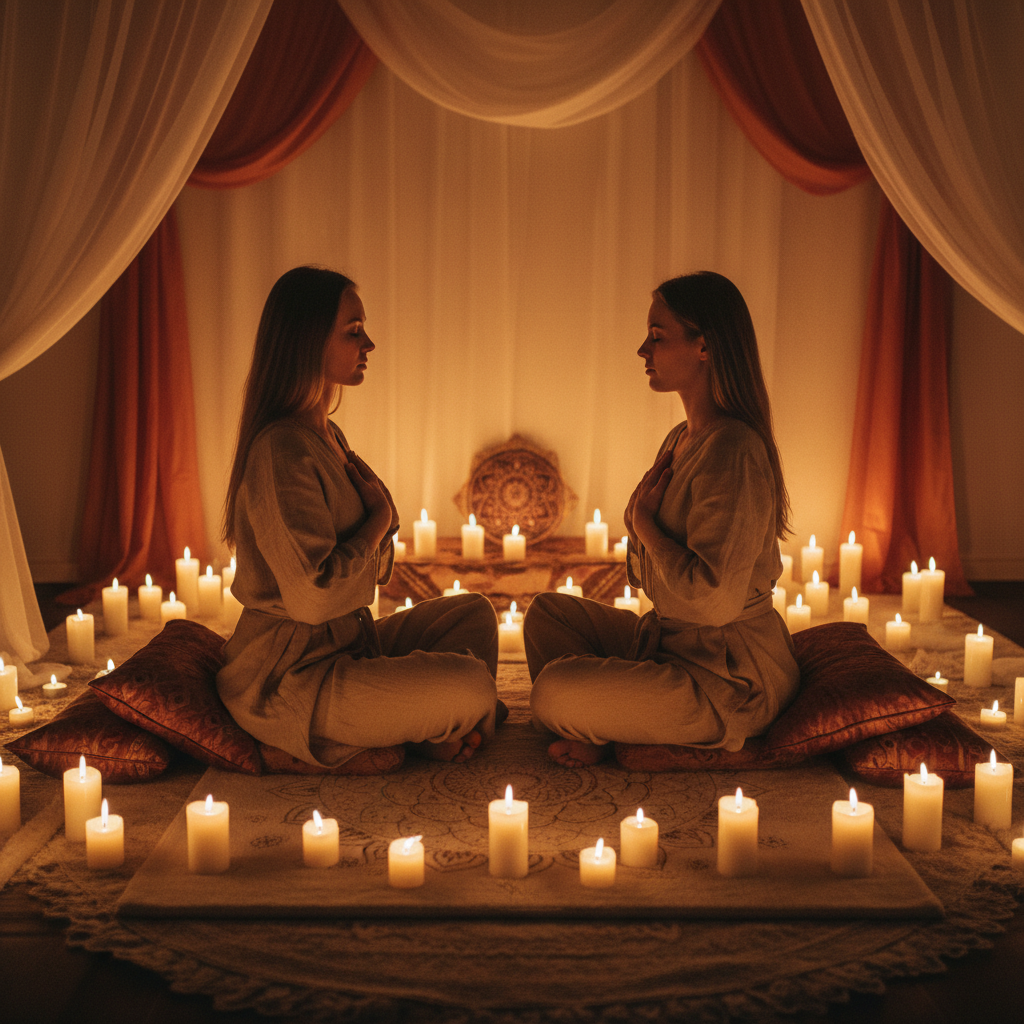
Tantra views sexual energy as a powerful life force that can be cultivated and shared. It encourages partners to connect on an energetic level, not just a physical one. This involves practices like eye-gazing, synchronized breathing, and non-genital touch, which build emotional intimacy and a sense of energetic flow between individuals. Eye-gazing, for instance, can feel incredibly vulnerable and powerful, fostering deep emotional connection and trust. When practiced regularly, it can help partners feel truly seen and understood by each other.
Actionable Tip: Incorporate eye-gazing into your routine. Sit facing your partner, maintain soft eye contact for several minutes without speaking, and simply breathe together. Notice any emotions or sensations that arise. Experiment with synchronized breathing during non-sexual touch, matching your inhale and exhale with your partner's. Consider exploring guided meditations for couples that focus on energy exchange and connection.
Expanding the Definition of Pleasure
Tantric sex moves beyond the narrow definition of pleasure as solely orgasm-focused. It encourages partners to explore the full spectrum of sensual experiences, including prolonged arousal, full-body orgasms, and the subtle energies that flow through the body. This shift in focus can alleviate performance pressure and open up new avenues for pleasure and intimacy. It's about savoring the journey, not just reaching the destination. For many, this can be incredibly liberating, especially for individuals who experience orgasm difficulties or performance anxiety. Research from the Journal of Sex & Marital Therapy indicates that a focus on process-oriented sexual experiences, rather than outcome-oriented ones, correlates with higher sexual satisfaction.
Actionable Tip: Dedicate specific times to "pleasure mapping" with your partner. Explore different types of touch, pressure, and areas of the body without the goal of orgasm. Communicate what feels good, what feels neutral, and what you'd like more of. This can involve using different textures, temperatures, or even incorporating sensual massage oils. The goal is to expand your understanding of your own and your partner's pleasure landscape.
Tantra and Sexual Wellness: A Holistic Approach
The principles of Tantra offer a holistic framework for sexual wellness that extends beyond mere physical satisfaction. By integrating mind, body, and spirit, Tantra can address common sexual concerns and promote overall well-being.
Addressing Performance Anxiety and Body Image Issues
Performance anxiety and body image concerns are widespread issues that can significantly impact sexual satisfaction. Tantra's emphasis on mindfulness, self-acceptance, and process-oriented pleasure can be a powerful antidote. When the focus shifts from achieving a specific outcome (like orgasm or an erection) to experiencing the present moment and connecting with a partner, the pressure diminishes. This allows individuals to relax and enjoy intimacy more fully. For example, a person struggling with body image might find liberation in Tantric practices that encourage self-love and appreciation for the body as a sacred vessel, rather than an object to be judged.
Actionable Tip: Practice self-compassion and body-positive affirmations. Before intimacy, take a moment to appreciate your body and its capacity for pleasure. During sex, if you notice anxious thoughts arising, gently bring your attention back to your breath and the sensations in your body. Communicate any anxieties to your partner, framing it as a shared journey of exploration rather than a personal failing. Consider exploring resources on mindful self-compassion blog.
Deepening Intimacy and Communication
Tantra inherently fosters deeper intimacy and communication by requiring partners to be fully present, vulnerable, and attuned to each other's needs and desires. The practices encourage non-verbal communication through touch, eye contact, and shared breath, as well as open verbal dialogue about sensations and emotions. This creates a safe space for partners to explore their sexuality together, building trust and strengthening their bond. A couple who regularly practices Tantric breathing or eye-gazing often reports feeling more connected and understanding of each other's emotional states, which translates into improved communication in all areas of their relationship.
Actionable Tip: Schedule regular "intimacy check-ins" with your partner, separate from sexual activity. Use this time to discuss your desires, boundaries, and what you'd like to explore in your sexual life. Practice active listening, giving your partner your full attention without interruption. Consider using "I" statements to express your feelings and needs. For example, "I feel most connected when we take our time during intimacy."
Enhancing Energy and Vitality
Tantric practices are often associated with cultivating and circulating sexual energy, known as prana or chi. This isn't just about sexual arousal; it's about harnessing this powerful life force to enhance overall vitality, creativity, and well-being. Techniques like breathwork (pranayama) and specific body movements are used to awaken and move this energy throughout the body. Many practitioners report increased energy levels, improved mood, and a greater sense of aliveness through consistent Tantric practice.
Actionable Tip: Explore simple Tantric breathwork exercises. One common technique is "square breathing": inhale for a count of four, hold for four, exhale for four, hold for four, and repeat. Practice this for 5-10 minutes daily. During intimacy, try to breathe deeply and consciously, allowing the breath to deepen sensations and connect you more fully to your body and your partner. There are many guided Tantric breathwork meditations available online that can help you get started.
Reader questions on Tantric Sex
What exactly is Tantric sex, and how is it different from "regular" sex?
Tantric sex is a mindful and spiritual approach to intimacy that originated from the ancient Tantric traditions of India. The primary difference from what might be considered "regular" or conventional sex lies in its intention and focus. While conventional sex often prioritizes orgasm as the ultimate goal, Tantric sex emphasizes the journey of connection, presence, and energy exchange between partners. It's about slowing down, engaging all senses, cultivating deep emotional and energetic intimacy, and viewing sex as a path to spiritual awakening and profound union. Practices often include extended foreplay, eye-gazing, synchronized breathing, and mindful touch, aiming to prolong pleasure, deepen connection, and explore the full spectrum of sensual experience beyond just genital stimulation.
Do I need to be spiritual or religious to practice Tantric sex?
No, you do not need to be spiritual or religious to practice Tantric sex. While Tantra has deep spiritual roots, many of its principles and practices can be adapted and applied in a secular context to enhance intimacy, pleasure, and connection in relationships. The core tenets of mindfulness, presence, deep communication, and expanding the definition of pleasure are universally beneficial, regardless of one's spiritual beliefs. Many people approach Tantric sex as a way to improve their sexual experiences and relationship dynamics, focusing on the psychological and physical benefits rather than the spiritual ones. You can choose to engage with the spiritual aspects as much or as little as resonates with you.
Can Tantric sex help with sexual dysfunction or low libido?
Yes, Tantric sex can be highly beneficial for addressing certain sexual dysfunctions and low libido, though it's not a substitute for professional medical or psychological treatment. Its emphasis on mindful presence can help reduce performance anxiety by shifting focus away from outcome-oriented sex. By encouraging a broader definition of pleasure beyond orgasm, it can alleviate pressure and allow individuals to explore intimacy without fear of "failure." For low libido, the focus on deep connection, sensual exploration, and cultivating energetic flow can reignite desire and make sex feel more engaging and fulfilling. Practices like prolonged non-genital touch, eye-gazing, and conscious breathing can help partners reconnect and build anticipation, which can naturally boost libido. However, if you are experiencing persistent sexual dysfunction or low libido, it's crucial to consult with a healthcare provider or certified sex therapist for a comprehensive evaluation and personalized guidance.
What are some beginner-friendly Tantric practices I can try with my partner?
Starting with Tantric practices can be simple and doesn't require extensive knowledge. Here are a few beginner-friendly practices:
- Mindful Touch: Dedicate 10-15 minutes to simply touching your partner with intention and presence. This can be a gentle massage, stroking, or holding hands. Focus entirely on the sensations in your fingertips and on your partner's skin. Avoid any goal other than pure connection and sensation.
- Eye-Gazing: Sit comfortably facing your partner, about an arm's length apart. Look softly into each other's eyes for 5-10 minutes without speaking. If it feels too intense, you can occasionally close your eyes or look at another part of their face, then return to their eyes. This builds deep emotional connection.
- Synchronized Breathing: Lie together in a comfortable position, perhaps spooning or facing each other. Place a hand on your partner's chest or stomach and try to match your breath with theirs. Inhale when they inhale, exhale when they exhale. This creates a sense of energetic unity and presence.
- Sensual Exploration (Non-Genital): Take turns exploring each other's bodies with slow, deliberate touch, focusing on non-genital areas. Use different pressures and textures. The goal is to discover new pleasure points and expand your sensual map without the pressure of leading to orgasm. Communicate what feels good.
How can I find a qualified Tantra instructor or resources?
When seeking a Tantra instructor or resources, it's important to be discerning, as the field can be unregulated. Look for instructors who have extensive training, certifications from reputable organizations, and a clear understanding of both the spiritual and practical aspects of Tantra.
- Research Organizations: Look for schools or organizations that offer structured Tantra training programs and certify their instructors. Examples might include specific Tantra schools or institutes that have been established for many years.
- Read Reviews and Testimonials: Check for reviews and testimonials from previous students or clients.
- Interview Instructors: Don't hesitate to schedule an introductory call or meeting with a potential instructor to ask about their background, teaching philosophy, and what their courses entail.
- Start with Books and Online Courses: Many reputable authors and teachers offer books and online courses that can provide a solid foundation before committing to in-person workshops. Look for authors who are well-respected in the field of Tantra or mindful sexuality.
- Focus on Ethics: Ensure the instructor emphasizes consent, boundaries, and a safe, non-judgmental environment. A good instructor will prioritize your well-being and ethical practice.
- Consider Sex Therapists: Some certified sex therapists incorporate Tantric principles into their practice, offering a blend of therapeutic and Tantric approaches. You can find certified sex therapists through organizations like the American Association of Sexuality Educators, Counselors, and Therapists (AASECT) blog.
Conclusion
Tantric Sex: Ancient Practice, Modern Benefits is a topic worth understanding deeply. The more we know — and the more openly we can discuss it — the better equipped we are to make informed decisions about our health, relationships, and well-being. By embracing its principles of mindfulness, presence, and holistic connection, individuals and couples can unlock profound levels of intimacy, pleasure, and personal growth.
Evidence for Tantric Sex
The two sources below provide further context for questions addressed in Tantric Sex. They offer general information and are not personalized medical or psychological advice.
- World Health Organization — Defines sexual health as a state of physical, emotional, mental, and social well-being.
- National Institutes of Health (PMC) — Links sexual mindfulness to improved relationship satisfaction and sexual well-being.
This article is for educational purposes only and does not constitute medical or psychological advice. Consult a qualified healthcare provider for personalized guidance.