
Understanding Your Body: A Teen's Guide from Sexuality Expert to Sexual Anatomy and Development
Today, I would like to have a conversation with you about a very important topic that affects everyone - understanding our bodies. Specifically, we will be delv
SexualityExpert.com Editorial Team — general educational content for adult readers.
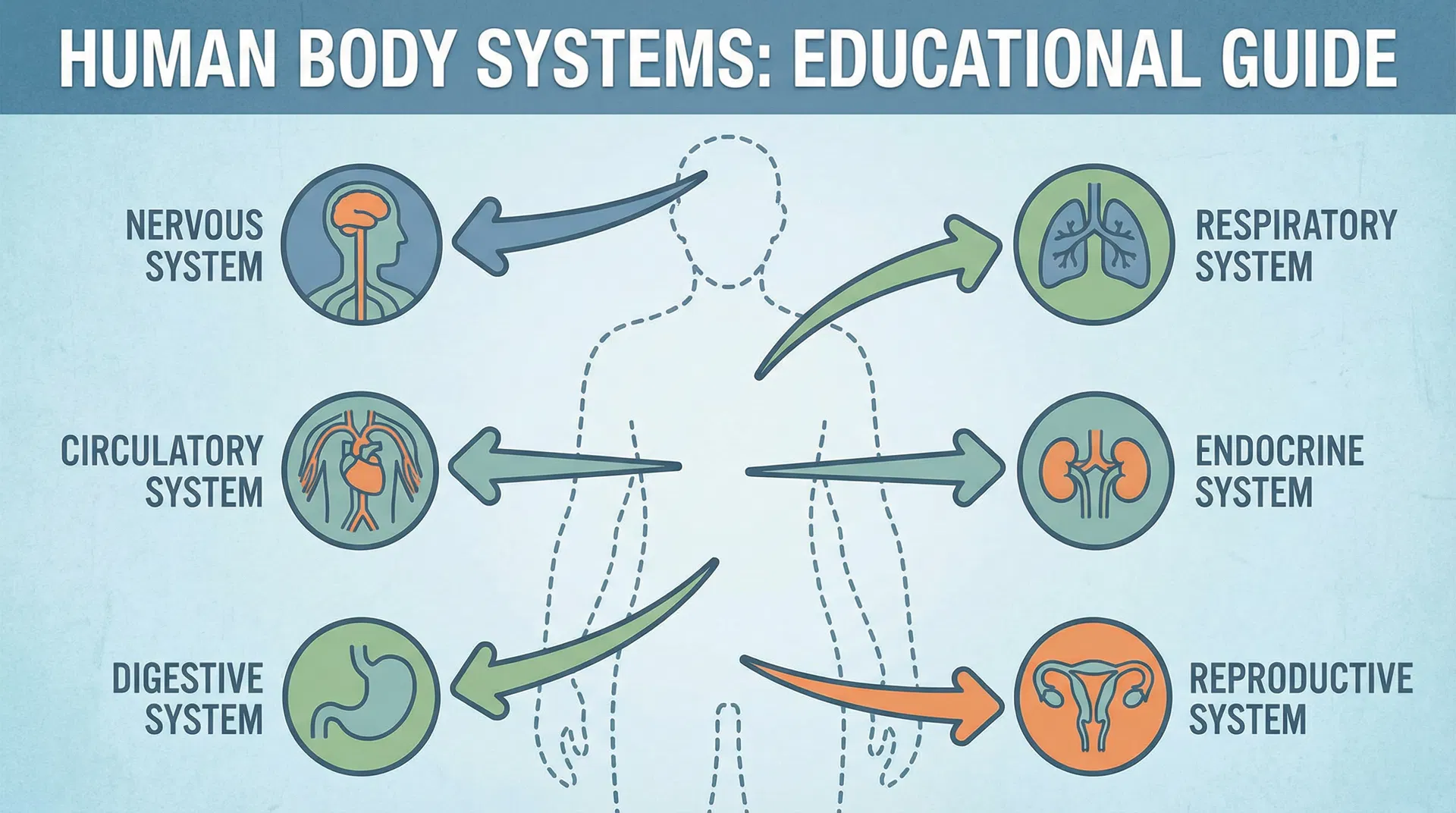
This article is general educational information only. It is not medical advice, not a diagnosis, and is not written by a doctor. This site is not a doctor and does not provide medical care. Nothing here is medical advice. Full disclaimer.
Today, I would like to have a conversation with you about a very important topic that affects everyone - understanding our bodies. Specifically, we will be delving into the fascinating world of sexual anatomy and development. While this topic might not sound particularly interesting or relevant to you at first, it is both incredibly cool and crucially important. After all, having a solid understanding of our bodies and how they work can help us make informed decisions about our health and relationships. So, if you're ready, let's get comfortable and explore the sexual advice for teenagers together!
What’s Up Down There? Getting to Know Your Anatomy
Alright, let’s start with the basics. You've probably heard the term "sex ed" thrown around in health class, but what does it mean? Simply put, it’s all about understanding your body and how it works, especially when it comes to anything related to sex and reproduction. So, where do we begin?
First things first, let’s talk about our anatomy. Ladies, you’ve got the vagina, uterus, ovaries, and more. Guys, you’ve got the penis, testes, and all that jazz. Understanding what each part does is like unlocking the secrets of your own body! Don’t be shy to ask questions or do some research if you’re unsure. Knowledge is power, my friends!
For those with vulvas, the external genitalia are collectively known as the vulva, which includes the labia majora (outer lips), labia minora (inner lips), clitoris, and vaginal opening. The clitoris is a highly sensitive organ primarily responsible for sexual pleasure. Internally, the vagina is a muscular canal that connects the vulva to the uterus. The uterus is a pear-shaped organ where a fetus develops during pregnancy. The fallopian tubes extend from the uterus, and at their ends are the ovaries, which produce eggs and hormones like estrogen and progesterone. Understanding these parts and their functions is foundational to understanding menstrual cycles, fertility, and sexual response. For example, the clitoris has thousands of nerve endings, making it the primary site for clitoral stimulation, which is often crucial for orgasm in individuals with vulvas. Learn more about female anatomy.
For those with penises, the external genitalia include the penis and scrotum. The penis contains erectile tissue that fills with blood during arousal, leading to an erection. The urethra, which carries both urine and semen, runs through the penis. The scrotum is a sac that holds the testes, which produce sperm and hormones like testosterone. The epididymis, located on the back of each testis, stores and matures sperm. During ejaculation, sperm travel from the epididymis through the vas deferens, where they mix with fluids from the seminal vesicles and prostate gland to form semen. Knowing these structures helps in understanding sexual function, reproductive health, and potential health concerns. For instance, regular self-examinations of the testes can help detect abnormalities early. Explore male anatomy in detail.
Puberty: The Rollercoaster Ride of Changes
Ah, puberty is when your body decides to throw a wild party, and you’re the guest of honor. But seriously, puberty is a big deal. It’s when your body starts to undergo all sorts of changes, both inside and out. Growing taller and sprouting hair in new places can feel like a whirlwind of emotions and transformations.
So, what’s normal and what’s not? Everyone’s journey through puberty is different, but there are some common changes to expect. Acne? Check. Mood swings? Double check. It’s all part of the ride! Just remember, you’re not alone, and plenty of resources are out there to help you navigate this crazy time.
Puberty typically begins between ages 8 and 13 for individuals assigned female at birth (AFAB) and between ages 9 and 14 for individuals assigned male at birth (AMAB), though these ranges can vary. For AFAB individuals, common changes include breast development (thelarche), growth of pubic and underarm hair, a growth spurt, and the onset of menstruation (menarche). The menstrual cycle is a complex process regulated by hormones, preparing the body for potential pregnancy each month. Understanding your cycle can help you anticipate physical and emotional changes. For AMAB individuals, changes include an increase in penis and testicle size, growth of pubic, underarm, facial, and body hair, deepening of the voice, and nocturnal emissions (wet dreams). These changes are driven by hormones, primarily estrogen in AFAB individuals and testosterone in AMAB individuals.
It’s important to remember that the timing and order of these changes can differ significantly among individuals. Comparing yourself to others can lead to unnecessary anxiety. For example, some individuals may experience breast development early, while others may start their periods later. Similarly, some AMAB individuals may have a growth spurt earlier than their peers. These variations are normal. If you have concerns about your pubertal development, talking to a parent, trusted adult, or healthcare provider is always a good idea. Organizations like the American Academy of Pediatrics offer comprehensive resources on normal pubertal development.
Let’s Talk About Sex and Understanding Sexual Health
Now, onto the juicy stuff – sex! Whether you’re curious about it or not, understanding sexual health is crucial. It’s not just about the act but also about staying safe and informed. So, what do you need to know?
For starters, let’s talk about protection. Condoms, birth control, STI testing – these are all important aspects of sexual health that you should be aware of, regardless of whether you’re sexually active or not. And hey, if you have questions, don’t hesitate to talk to your healthcare provider to get the right sexual advice for teenagers. Your health and well-being are top priorities!
Sexual health encompasses physical, emotional, mental, and social well-being in relation to sexuality. It's about having a respectful approach to sexual relationships, ensuring pleasurable and safe sexual experiences, free from coercion, discrimination, and violence. Key components of sexual health include understanding consent, preventing sexually transmitted infections (STIs), and managing unintended pregnancies.
Consent is paramount. It means clearly and enthusiastically agreeing to engage in sexual activity. Consent must be freely given, ongoing, and can be withdrawn at any time. It cannot be given by someone who is incapacitated by drugs or alcohol, unconscious, or underage. Educating yourself and your partners about consent is a fundamental step in ensuring healthy and respectful sexual interactions. Resources like RAINN (Rape, Abuse & Incest National Network) provide excellent information on consent and sexual assault prevention.
Preventing STIs is another critical aspect. STIs are infections passed from one person to another through sexual contact. Common STIs include chlamydia, gonorrhea, herpes, HPV, and HIV. Many STIs can be asymptomatic, meaning you might not know you have one without getting tested. Consistent and correct use of barrier methods like condoms (for vaginal, anal, and oral sex) significantly reduces the risk of STI transmission. Regular STI testing is recommended for sexually active individuals, especially when starting a new relationship or having multiple partners. Your healthcare provider can guide you on appropriate testing schedules. Find condoms and other barrier methods.
Regarding contraception, various methods are available to prevent unintended pregnancies. These include hormonal methods (like birth control pills, patches, rings, injections, and implants), barrier methods (condoms, diaphragms, cervical caps), and long-acting reversible contraceptives (LARCs) like IUDs. Each method has different effectiveness rates, side effects, and suitability for individual lifestyles. Discussing your options with a healthcare provider is essential to find the method that best suits your needs and health profile. For example, hormonal birth control can also help manage conditions like severe acne or heavy periods, while condoms offer dual protection against STIs and pregnancy.
Embracing Your Identity: Exploring Sexual Orientation and Gender
Last but certainly not least, let’s chat about identity. Sexuality is a spectrum, and there’s no right or wrong way to identify. Whether you’re straight, gay, bisexual, pansexual, or anything else under the sun, your feelings and experiences are valid.
Similarly, gender is a complex and personal aspect of identity. Some people identify as male, some as female, and some as non-binary or genderqueer. The important thing is to embrace who you are and to surround yourself with love and support.
Sexual orientation refers to an enduring pattern of emotional, romantic, and/or sexual attractions to men, women, or both sexes. It also refers to a person's sense of identity based on those attractions, related behaviors, and membership in a community of others who share those attractions. Common sexual orientations include heterosexual (attraction to the opposite gender), homosexual (attraction to the same gender, often identifying as gay or lesbian), bisexual (attraction to both men and women), and pansexual (attraction regardless of gender). Asexuality, a lack of sexual attraction, is also a valid sexual orientation. Research by organizations like the Williams Institute at UCLA School of Law consistently shows that a significant percentage of young people identify as LGBTQ+, highlighting the diversity of sexual orientations.
Gender identity, on the other hand, is an individual's deeply felt, inherent sense of being a boy, man, or male; a girl, woman, or female; or an alternative gender (e.g., genderqueer, gender non-conforming, non-binary) that may or may not correspond to a person's sex assigned at birth. Sex assigned at birth is typically based on external genitalia observed at birth (male, female, or intersex). Gender expression is how a person publicly presents their gender, which can include behavior, clothing, hairstyle, voice, or body characteristics. Gender expression may or may not align with a person's gender identity. For example, a person assigned female at birth may identify as male (transgender man) or as non-binary. Understanding these distinctions is crucial for respecting individual identities and fostering inclusive environments. Organizations like The Trevor Project provide vital support and resources for LGBTQ+ youth.
Navigating Relationships and Communication
As you grow and explore your sexuality, you'll likely encounter various types of relationships, from friendships to romantic partnerships. Healthy relationships are built on trust, respect, open communication, and mutual consent. Learning to communicate effectively about your needs, boundaries, and desires is a skill that will serve you well in all aspects of life, especially in intimate relationships.
Open Communication: This means being able to talk honestly and respectfully with your partners about everything from daily life to sexual preferences and concerns. For instance, if you're feeling uncomfortable about a particular activity, being able to articulate that feeling without fear of judgment is crucial. Practicing active listening—truly hearing and understanding what your partner is saying—is equally important. Studies show that couples who communicate openly about sex report higher levels of satisfaction and intimacy. (P. 2006. Journal of Sex Research).
Setting Boundaries: Boundaries are essential for maintaining your well-being and ensuring respectful interactions. These can be physical boundaries (e.g., what types of touch you are comfortable with) or emotional boundaries (e.g., how much personal information you share). Clearly communicating your boundaries and respecting those of others creates a safe and healthy space for both individuals. For example, if you're not ready for a certain level of physical intimacy, clearly stating "I'm not comfortable with that right now" is a healthy boundary.
Conflict Resolution: Disagreements are a normal part of any relationship. Learning to resolve conflicts constructively, rather than avoiding them or resorting to unhealthy tactics, strengthens your relationships. This involves listening to each other's perspectives, expressing your feelings calmly, and working together to find a solution. For instance, if you and a friend disagree on plans, instead of yelling, you might say, "I understand why you want to do X, but I feel strongly about Y. Can we find a compromise?"
Sexual Health Resources and Support
Knowing where to turn for reliable information and support is vital. You don't have to navigate these complex topics alone. There are numerous resources available to help you make informed decisions and address any concerns you might have.
Healthcare Providers: Your doctor, gynecologist, or a clinic specializing in adolescent health can provide confidential and accurate information about sexual anatomy, puberty, contraception, STI testing, and general sexual health. They can also offer personalized advice and address any specific health concerns. For example, if you're experiencing unusual symptoms or have questions about a particular birth control method, a healthcare provider is the best resource. Many clinics offer youth-friendly services that prioritize privacy and understanding.
Trusted Adults: Parents, guardians, older siblings, school counselors, or other trusted adults can be valuable sources of support and guidance. While it might feel awkward at first, these individuals often have life experience and care deeply about your well-being. They can offer a safe space to discuss your feelings and questions. For instance, if you're struggling with body image during puberty, talking to a parent who has been through it can be incredibly reassuring.
Online Resources: Reputable websites and organizations offer a wealth of evidence-based information. Look for sites from government health agencies (like the CDC), established medical organizations (like Planned Parenthood or the American College of Obstetricians and Gynecologists), or non-profit youth health organizations. Be cautious of unreliable sources or misinformation. For example, sites like Bedsider.org provide comprehensive, unbiased information about birth control options.
Peer Support: Talking to friends who are going through similar experiences can be comforting and validating. Sharing your feelings and hearing about others' journeys can help you feel less alone. However, remember that friends are not always experts, and it's important to cross-reference information with reliable sources.
Final Thoughts: You’re Not Alone on This Journey
We covered a lot of ground today, didn’t we? Understanding your body and all its intricacies can sometimes feel overwhelming, but remember, you’re not alone on this journey. Whether you’re talking to friends, family, or a healthcare provider, some people care about you and want to give you the right sexual advice for teenagers.
So, keep asking questions, exploring, and, most importantly, being you. Because at the end of the day, that’s what truly matters. You’ve got this!
Alright, that’s a wrap for today, folks. Until next time, stay curious and stay awesome!
Common questions about Understanding Your Body
What is the difference between sex assigned at birth, gender identity, and sexual orientation?
Sex assigned at birth refers to the label given to an individual at birth, usually based on external genitalia (e.g., male, female, intersex). Gender identity is an individual's internal, deeply felt sense of being a man, woman, both, neither, or somewhere else along the gender spectrum. It may or may not align with the sex assigned at birth. For example, a transgender man was assigned female at birth but identifies as male. Sexual orientation describes who a person is emotionally, romantically, and/or sexually attracted to. These three aspects are distinct and independent of each other. For instance, a person can be assigned female at birth, identify as a man (transgender man), and be attracted to other men (gay).
When should I start getting tested for STIs?
If you are sexually active, you should consider getting tested for STIs. The frequency of testing depends on several factors, including the number of partners you have, whether you use barrier methods consistently, and your risk factors. Many healthcare providers recommend annual STI screenings for sexually active individuals, and more frequent testing if you have new partners or multiple partners. It's crucial to have an open conversation with your healthcare provider about your sexual activity so they can recommend the most appropriate testing schedule for you. Remember, many STIs are asymptomatic, so you might not know you have one without getting tested.
Is it normal to have mood swings during puberty?
Yes, experiencing mood swings during puberty is very common and considered a normal part of adolescent development. The significant hormonal shifts occurring in your body during puberty can impact brain chemistry and emotional regulation, leading to increased irritability, sadness, anxiety, or sudden shifts in mood. While these fluctuations can be challenging, they are often temporary. If mood swings are severe, persistent, or significantly impacting your daily life, it's important to talk to a trusted adult or healthcare provider, as there might be underlying issues that need attention or support.
How can I ensure I'm getting accurate information about sexual health online?
When seeking sexual health information online, it's crucial to identify reliable sources. Look for websites from established medical organizations (e.g., Planned Parenthood, CDC, American Academy of Pediatrics), government health agencies, or universities. These sites typically provide evidence-based, peer-reviewed information. Be wary of personal blogs, forums, or sites that make sensational claims, promise quick fixes, or lack clear citations for their information. Always cross-reference information from multiple reputable sources, and if you have specific health concerns, consult a healthcare professional.
What should I do if I feel pressured into sexual activity?
If you ever feel pressured into sexual activity, it's important to remember that you have the right to say no, and your feelings are valid. Consent must be freely given and enthusiastic, and it can be withdrawn at any time. If you feel pressured, try to clearly state your boundaries, remove yourself from the situation, and seek help from a trusted adult, such as a parent, teacher, counselor, or another responsible adult. Resources like the National Sexual Assault Hotline (RAINN) are also available 24/7 for support and guidance. Your safety and well-being are paramount.
Evidence for Understanding Your Body
The two sources below provide further context for questions addressed in Understanding Your Body. They offer general information and are not personalized medical or psychological advice.
- NIH NICHD / Puberty and Precocious Puberty — Puberty typically begins between ages 8 and 13 for girls and 9 and 14 for boys.
- World Health Organization / Sexual health — Definition of sexual health as a state of physical, emotional, mental and social well-being.
This article is for educational purposes only and does not constitute medical or psychological advice. Consult a qualified healthcare provider for personalized guidance.